" height="27.563451568878715px" id="F4dqiXzej" transform="translate(0 0.919)" width="180.08121297368123px"/></svg>)
What Rejection Couldn’t Take
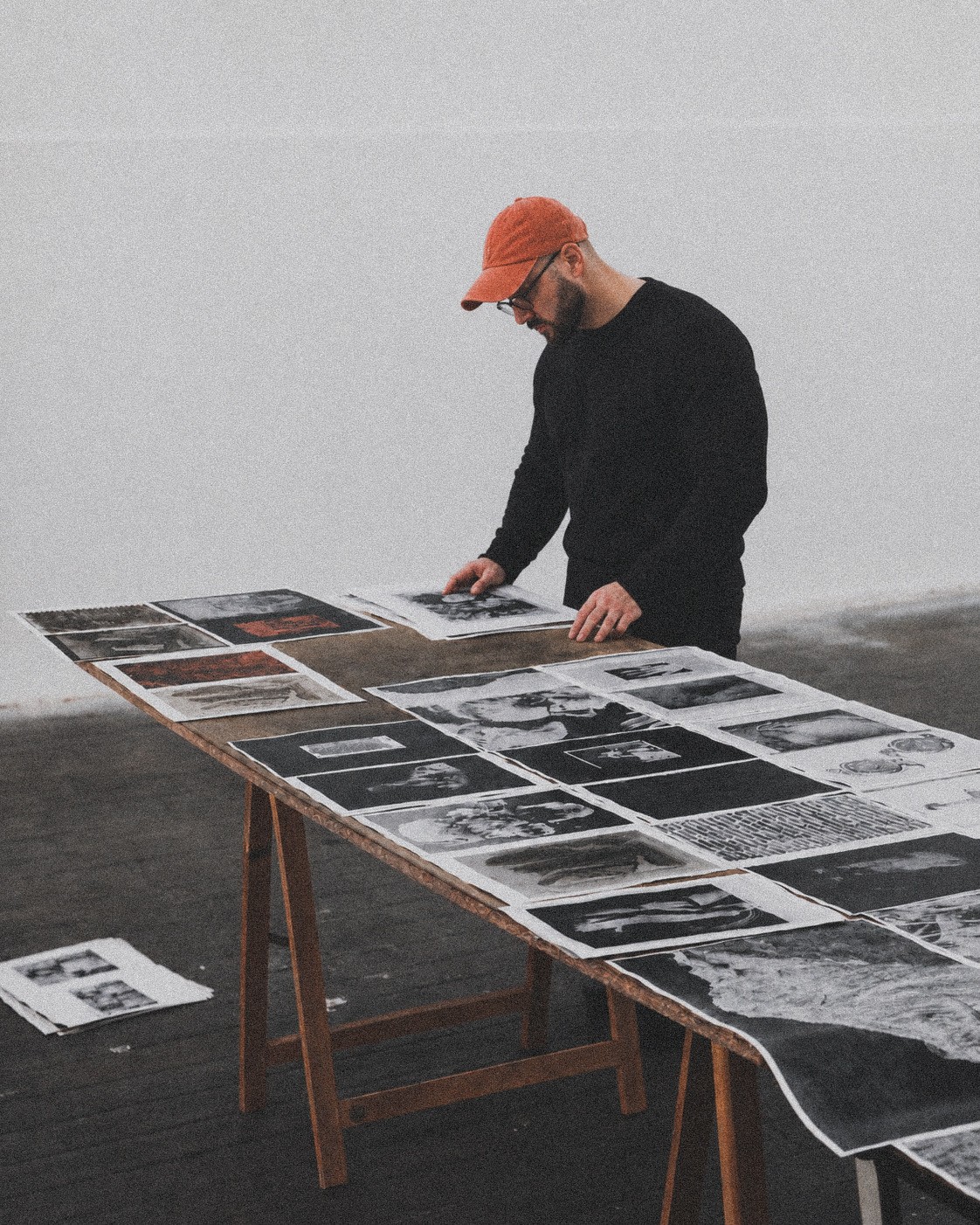
There is a particular kind of silence that follows rejection.
Not the dramatic kind. Nothing visibly collapses. The room remains the same, your coffee goes cold at the same speed, and everyone else continues with their day. But something inside you becomes quieter. You begin revisiting every decision, every conversation and every version of yourself you presented, looking for the moment when you became not quite enough.
After enough rejection, the questions become more personal.
Was the work not strong enough? Was I too honest? Too experienced? Too difficult to place? Should I have been quieter, simpler, easier to understand?
For a while, I treated every “no” as evidence. I allowed decisions made by people who had seen only a carefully edited fragment of me to reshape the way I saw twelve years of work. Rejection stopped being an event and started becoming an identity.
That was the real failure-not being rejected, but slowly surrendering my own perspective to it.
Rejection can interrupt your direction. It does not get to decide your value.
Growth is usually described as something clean and upward. A lesson learned. A stronger person emerging from the wreckage with a beautifully constructed explanation for why everything had to happen.
My experience has been less elegant.
Sometimes growth looks like anger. Sometimes it is exhaustion, doubt or the uncomfortable realization that the future you were pursuing no longer feels entirely yours. Sometimes it is simply the decision to make something on a day when you feel invisible.
I returned to photography in that space.
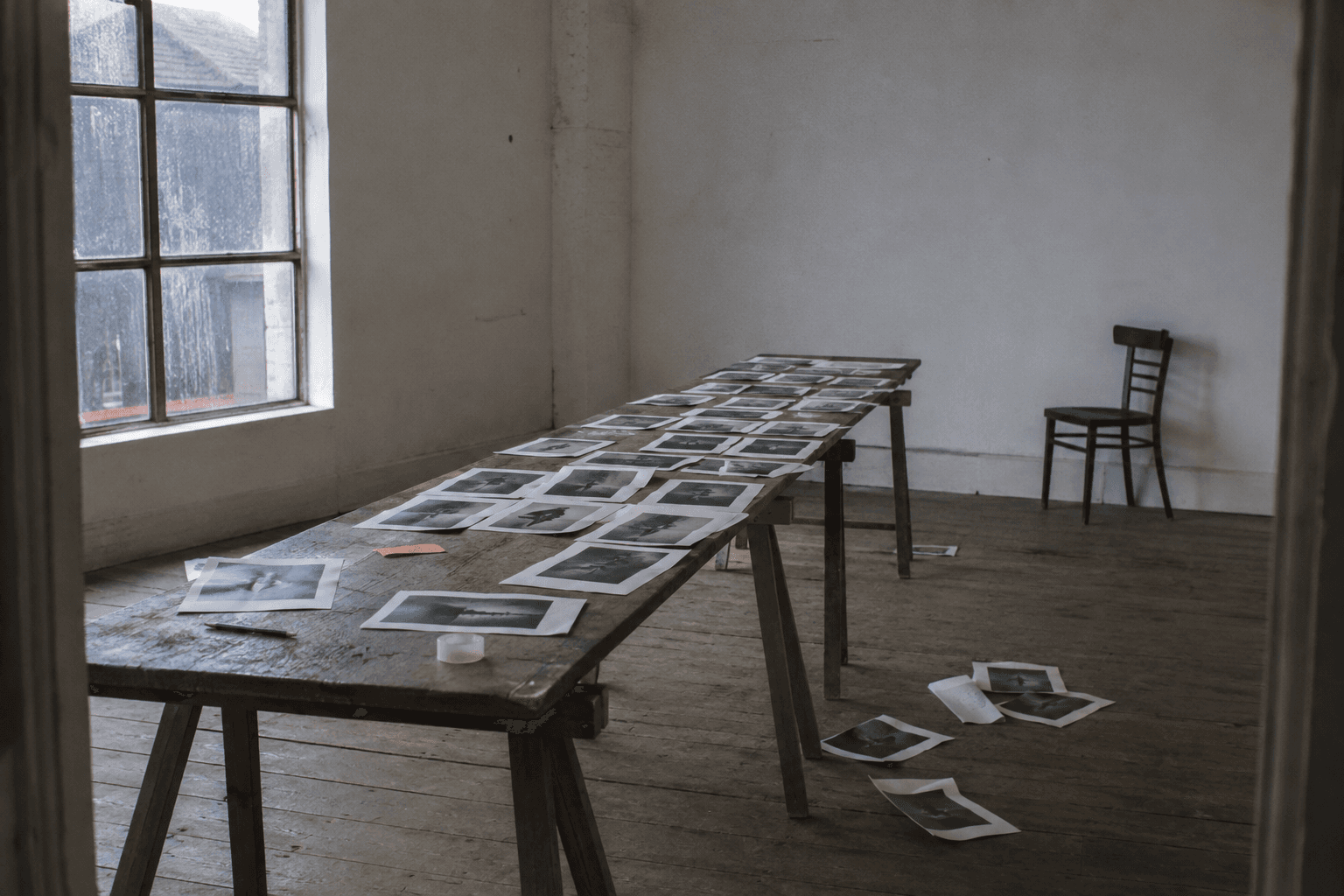

Not because I had developed a brilliant new strategy, but because I needed to create somewhere that nobody was waiting to approve me. I wanted to follow light across a body, notice a gesture before it disappeared, and make images that did not need to solve a business problem or survive a presentation.
Photography returned me to attention.
Behind the camera, failure becomes less absolute. A blurred image can contain more emotion than the technically perfect one. An accidental movement can become the centre of the frame. What initially appears unusable may reveal itself differently when revisited months later.
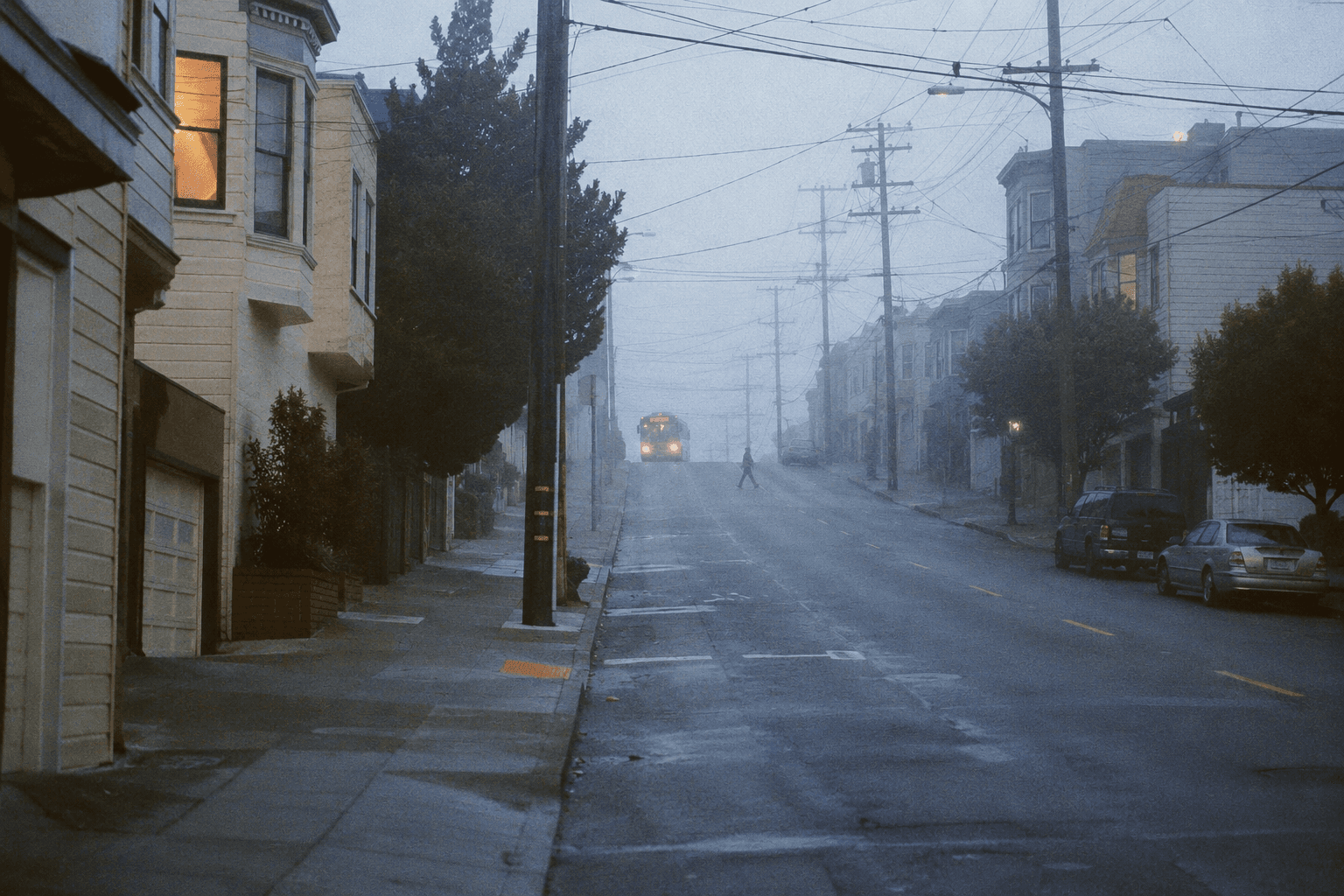
The contact sheet rarely contains a single correct answer. It contains attempts, interruptions and almosts. It shows the distance between what was planned and what actually happened.
Perhaps a life can be read in the same way.
Not every unfinished direction was wasted. Not every closed door was the wrong one to approach. Not every version of me that failed to fit somewhere was a version that needed to disappear.
Some things are rejected because they are weak. Others are rejected because they arrive in the wrong room, at the wrong moment, in front of people searching for something else. Learning to recognise the difference is its own creative discipline.
un.archived began somewhere inside that distinction.
It is a place for the images, ideas and parts of myself that remained alive beneath professional expectation. A living archive of intimacy, desire, distance, visual experiments and unfinished questions. It is not an attempt to erase failure or transform every disappointment into something useful.
It is proof that something continued.
I no longer want growth to mean becoming endlessly resilient, agreeable or unaffected. I want it to mean becoming more precise about what belongs to me - and more willing to protect it.
Rejection took certainty. It interrupted momentum. For a while, it made me question whether the person I believed myself to be still existed.
But it did not take curiosity.
It did not take the instinct to look closer. It did not take the desire to create images that feel lived rather than performed. It did not take my ability to begin again before I felt completely ready.
Perhaps that is enough.
Not every failure contains a hidden gift. Some experiences are simply painful, unfair or disappointing. But even then, we retain the right to decide what the experience becomes inside us.
The rejection may remain part of the archive.
It just does not get to write the ending.